Bali has always been a dream destination for many travelers, both local and international. Besides its stunning natural beauty, the island is also known as a cultural paradise rich in traditions. One of the most special moments you must experience when visiting Bali is the Galungan and Kuningan celebration.
This celebration is not just a religious holiday, but a time when the entire island transforms into a living cultural stage. If you want to truly understand the essence of Bali, visiting during Galungan and Kuningan is the perfect choice.
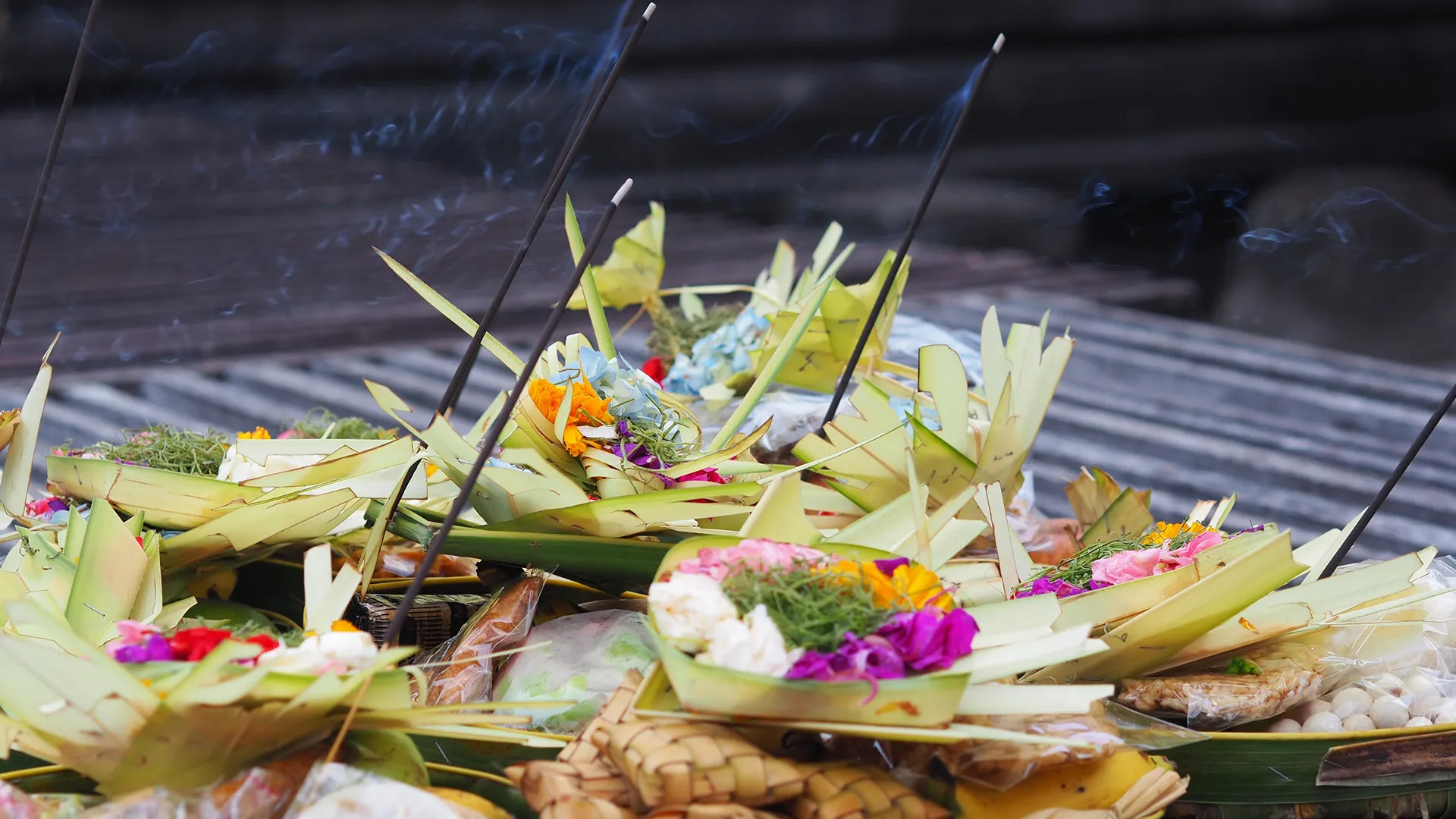
Galungan and Kuningan are two of the most important religious holidays for the Hindu community in Bali. Galungan is celebrated as a symbol of the triumph of Dharma (good) over Adharma (evil). On this sacred day, the Balinese believe that the spirits of their ancestors return to earth to be honored and prayed for by their families.
Ten days after Galungan, the Kuningan celebration takes place as the closing day of this spiritual period. Kuningan symbolizes the return of the ancestral spirits to their realm, accompanied by prayers of gratitude for life and wishes for prosperity. On Kuningan Day, the Balinese usually prepare special offerings that include yellow rice, a symbol of prosperity and happiness.
The Galungan and Kuningan celebration is not just a one or two-day event but a series of traditional rituals that span over 10 days. During this period, the atmosphere in Bali becomes truly festive and sacred.
Several days before Galungan, people begin crafting penjor, tall bamboo poles adorned with coconut leaves, flowers, and agricultural produce. These penjors are placed in front of every house as a symbol of gratitude and an aesthetic expression of Balinese beauty. Throughout the villages and cities, the streets are lined with penjors, creating an iconic and unforgettable view.
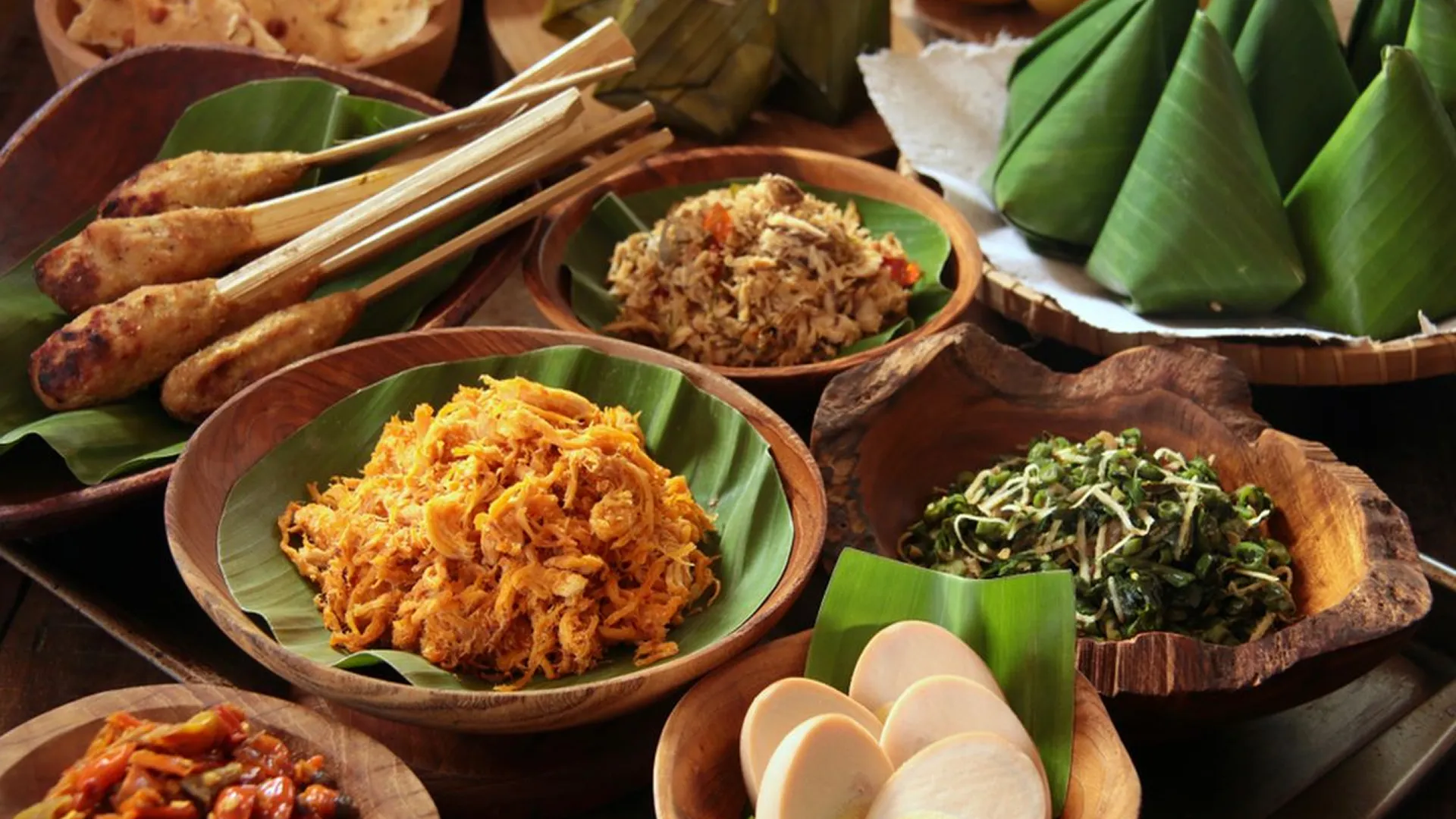
On Galungan Day, Hindus perform prayers at temples and at home, gather with their families, and share traditional dishes such as lawar, sate lilit, and jaja Bali. The sense of togetherness and warmth is strongly felt across Bali during this time.
Kuningan marks the end of the celebration series with final prayers, where yellow rice offerings are prepared to honor the ancestors returning to their realm. Homes, temples, and streets throughout Bali appear even more beautiful, decorated with various traditional ornaments.
For travelers, the Galungan and Kuningan season is not just about observing the scenery, but also a unique opportunity to experience authentic Balinese culture. Here are some activities you can enjoy during this festive time:
The streets filled with penjors create a stunning view, especially at sunset.
Visiting major temples such as Besakih Temple, Lempuyang Temple, or Tanah Lot will give you a unique spiritual experience. Witness how the Balinese perform their prayers in a serene and respectful atmosphere.
Try the special Galungan dishes such as lawar, sate lilit, babi guling, and jaja Bali, which are widely available at local eateries during the celebration.
Several tourist attractions and traditional villages often hold Balinese dance performances like Barong and Kecak during the Galungan and Kuningan period.
In addition to the festive cultural atmosphere, you can still enjoy Bali’s exotic beaches such as Nusa Dua, Jimbaran, or Uluwatu, as well as the peaceful rice fields of Ubud.
So, if you are looking for a unique holiday experience, plan your visit to Bali during the Galungan and Kuningan celebration. During this moment, Bali’s natural beauty blends harmoniously with its culture, traditions, and the warmth of its people — creating a memorable journey for every visitor.
You can also read: Authentic Balinese Cultural Activities You Should Try